
As global regulations tighten and mandatory disclosure standards expand, organizations across every sector are discovering the same truth: sustainability reporting isn’t just about producing a document. It requires building an entirely new data, governance, and operational ecosystem—one that most organizations simply don’t have in place.
From marketplace requirements to governmental assurance reporting standards, companies are facing unprecedented expectations for accuracy, transparency, and investor-grade data. The challenges run deeper than checking a compliance box. They reach into supply chains, capital allocation decisions, and even day-to-day operations.
Below is a breakdown of the five biggest challenges we see across organizations today—and what leaders can do to overcome them.
Challenge 1: Data Governance and Reporting Infrastructure
Most organizations lack sustainability reporting systems capable of providing systematic data ingestion, real-time viewing, and governance of the non-financial data required for assurance. Traditional financial systems were never designed to capture vital metrics like waste diversion, Scope 1, 2, or even Scope 3 emissions.
Without accurate, investor-grade data infrastructure:
- Organizations face greenwashing accusations or greenhushing fears.
- Legal liability becomes a risk without confidence in the data.
- Data remains unreliable and non-actionable.
This is why building a modern sustainability data architecture is no longer optional—it is foundational.
Challenge 2: Supply Chain Visibility and Control
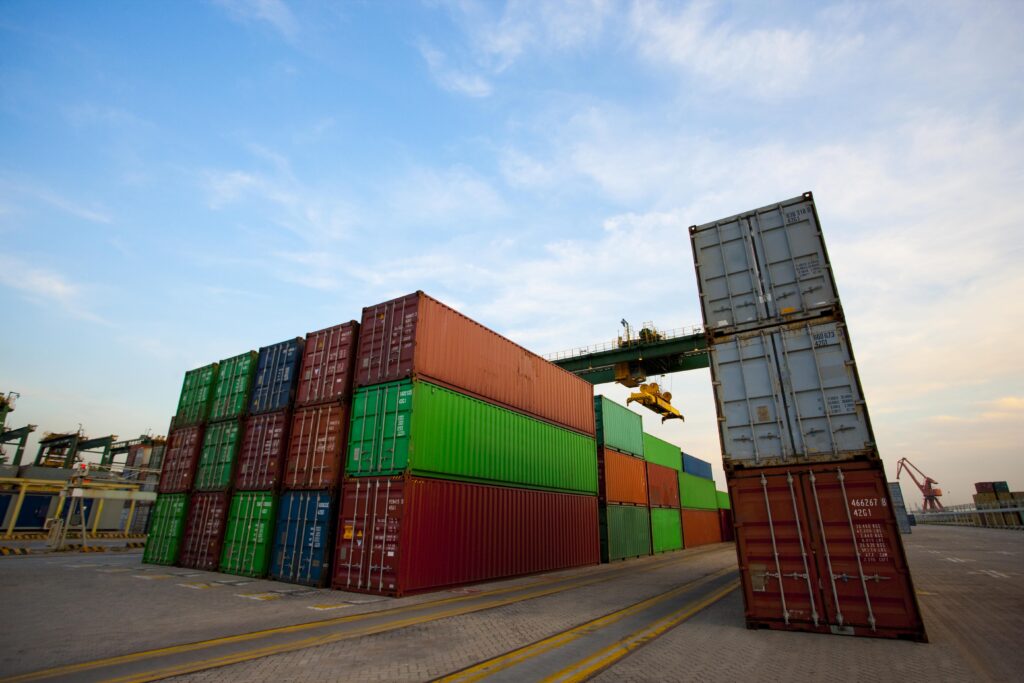
Supply chains are now a critical reporting gap, with complexity hindering the collection of accurate data across multi-tiered systems.
- Supplier Complexity: Typical large retailers have 2,000+ suppliers across 40 countries.
- Data Availability: Retailers often find fewer than 15% of suppliers can provide verified waste diversion or emissions data.
New regulations explicitly require value-chain reporting. If suppliers cannot provide verified data, organizations risk significant reporting gaps.
Challenge 3: Integration Complexity Across Operational Silos
Sustainability cannot be solved within a single department. When teams operate in isolation, sustainability becomes a compliance checkbox rather than a driver of innovation.
Operational silos create conflicting priorities and prevent system-wide efficiencies:
- Finance: Measures quarterly earnings.
- Operations: Optimizes for cost efficiency.
- Procurement: Focuses on price and delivery.
- Sustainability: Tracks waste diversion, carbon intensity, and corporate responsibility.
Fragmented efforts with misaligned KPIs block information sharing and hinder efficiency across functions.
Challenge 4: Capital and Talent Allocation with ROI Quantification
Sustainable improvement requires substantial capital and cultural investment. However, sustainability investments often lose in capital allocation decisions because finance teams struggle to quantify the true return.
Traditional accounting models fail to price key factors:
- Negative external factors.
- The price of remaining stagnant.
- Long-term resilience benefits.
When avoided sustainability risks are not accurately quantified, the “Sustainability ROI” remains uncertain, misallocating investment and resources.
Challenge 5: Pace of Regulatory, Technological, and Cultural Change
Companies struggle amid strategic uncertainty. While the direction is clear—mandatory, assured, comprehensive progress toward predefined goals is essential—the pace of change requires a comprehensive Sustainability Plan with actionable steps and timelines.
Delay often creates bigger problems. Paralysis is not a strategy. Goals do not become realities without planned steps, enterprise-wide accountability, resources, and timetables.
Why These Challenges Are Interconnected
These challenges do not exist independently—they amplify each other.
- Weak Data Governance exacerbates supply chain complexity and undermines ROI modeling.
- Opaque Supply Chains worsen data gaps and feed back into governance weaknesses.
- Operational Silos block information sharing, hindering efficiency and the measurement of ROI across functions.
- Poor ROI Modeling (due to poor data and siloed reporting) leads to misallocated investments and inefficiency.
Organizations that will lead in 2026 treat these as strategic priorities requiring executive attention, dedicated resources, and cross-functional accountability.
Immediate Actions for Leadership

The window for a proactive response is narrowing. Organizations that act now will gain a competitive advantage, build long-term resilience, and enhance stakeholder trust and shareholder value.
Okapi Environmental Services recommends the following immediate actions for leadership:
- Data Readiness Assessment: Map current data collection capabilities and identify specific gaps in data, supply chain visibility, and audit trail documentation.
- Establish Baselines: Audit current processes, procedures, and results for waste diversion, emissions, and corporate responsibility.
- Set Goals, Accountability, and Plans: Create an executive-level sustainability steering committee with representatives from finance, operations, procurement, IT, and legal. Assign clear accountability with quarterly reviews.
Early 2026 action is critical for compliance and competitive positioning. Those that continue to treat sustainability as peripheral will lose ground in the marketplace and in the regulatory changes that will arise.
At Okapi Environmental Services, we help organizations cut through the complexity by building the data foundations, governance structures, and cross-functional alignment needed to meet modern disclosure requirements with confidence.
Book a call with us to discuss your organization’s Data Readiness Assessment and Comprehensive Plan for 2026.
) Back to the blogs page
Back to the blogs page by Fahrenheit Marketing